Cornell is fortunate to have a residential fraternity system. Every chapter has a house that serves as its base of operations, and to which its alumni return to visit.
Building the Bond
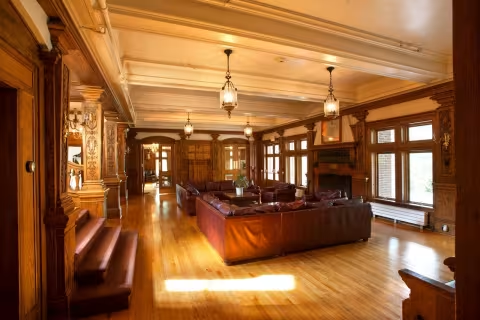
The purpose of eating and living together is to add to the shared experience of fraternity, getting to know people at their most natural. But chapters will also work to accommodate students with dietary restrictions, disabilities, or outside obligations so that they can participate in their dining and housing program in an inclusive way.
You will be expected to live in the house, typically for a minimum of one or two years. If the chapter offers a meal plan, you will be expected to take at least some of your meals with the other members as well. The details of things like meal protocols or room selection are highly specific to each chapter, as are the culture around how mealtimes, whether the house is open over breaks, how much cleaning brothers are expected to do, and so on.
Ownership and Management
Some fraternity and sorority houses are owned by the university, and others are privately owned by an alumni house corporation or by the national organization. In terms of the experience of living in, there are more differences within each group than between them. Privately-owned and university-owned houses differ mainly in how they are managed; for example, university-owned houses can bill for room charges through the Cornell bursar, and are subject to Cornell's collective bargaining agreements for construction projects.
Both university-owned and privately-owned fraternity and sorority houses:
- Are considered on-campus housing for their members in terms of Cornell University's requirement that all freshmen and sophomores live on campus. Each chapter must report the names of its live-ins each semester to the university.
- Are financially independent; fraternities and sororities do not receive any financial support from Cornell University. Each chapter's own alumni raise funds and invest in the upkeep of their facilities, working through a volunteer-run association of their own alumni.
- Are inspected annually by the City of Ithaca Building Department and Fire Department, and certified by each as suitable for occupancy and hosting events.